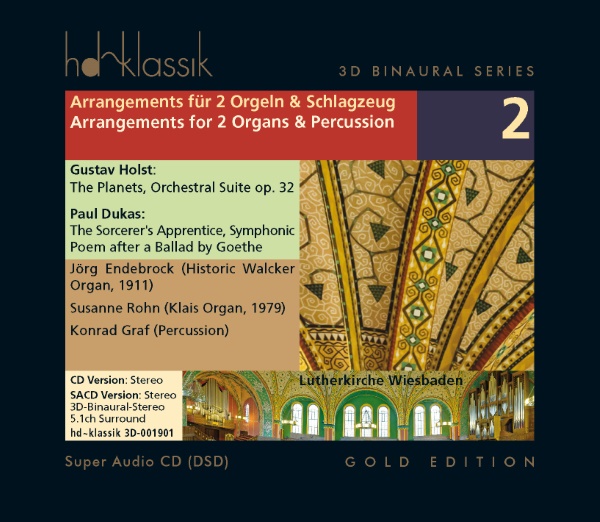
Paul Dukas was born on 1 October 1865 in Paris and died there on 17 May 1935. At the Paris Conservatoire he studied harmony with Théodore Dubois and composition with Ernest Guiraud, among others, and in 1888 received the second Prix de Rome with the cantata “Velléda”. From 1892 to 1932 he wrote as a music critic, among others for the Revue hebdomadaire and the Gazette des Beaux-Arts. He is known above all for the symphonic poem “L’Apprenti sorcier” of 1897; his opera “Ariane et Barbe-Bleue” after Maurice Maeterlinck was premiered at the Opéra-Comique in 1907. Dukas also worked editorially on works by Rameau and Couperin, arranged Saint-Saëns’ “Samson et Dalila” for piano four hands and was made a knight of the Légion d’honneur in 1906. At the Conservatoire he taught orchestration from 1910 to 1913 and composition from 1928 to 1935; his pupils included Maurice Duruflé, Jehan Alain and Jean Langlais. In 1934 he was elected to the Académie des Beaux-Arts.
Paul Dukas
Composer / Music critic