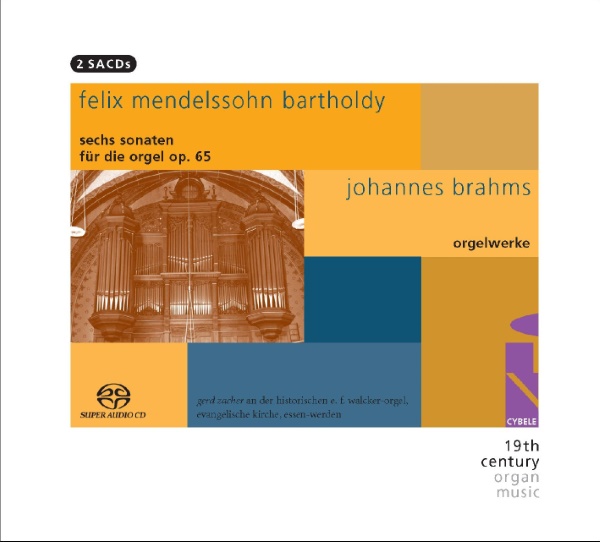
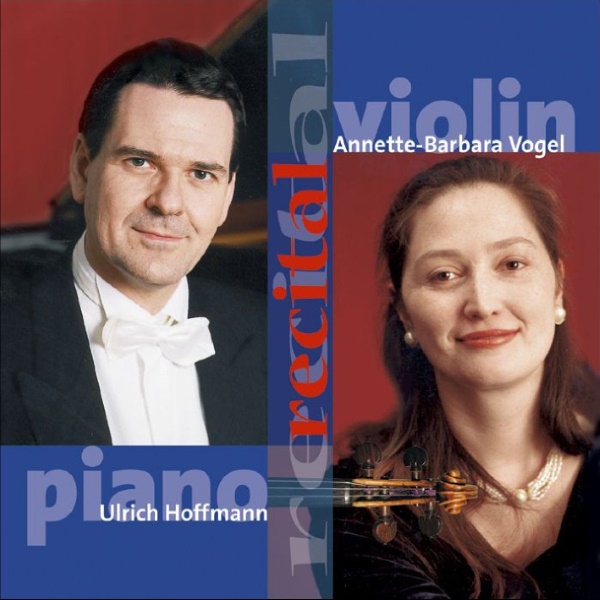
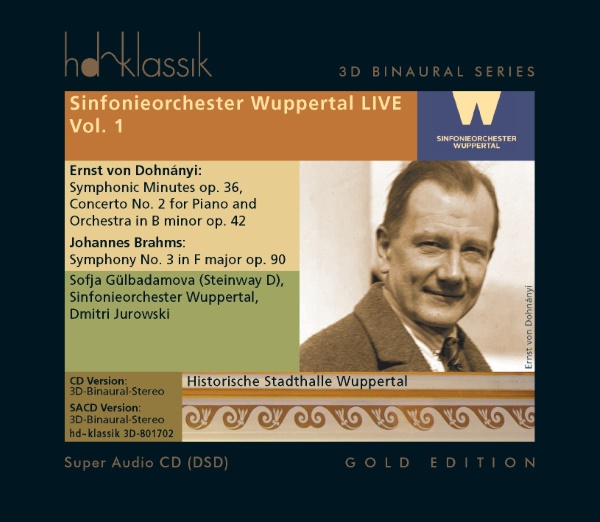
Born in Hamburg on 7 May 1833, died in Vienna on 3 April 1897; Johannes Brahms was a composer, pianist and conductor of the high Romantic period. In Hamburg he received lessons from Eduard Marxsen. In September 1853 he met Robert and Clara Schumann in Düsseldorf; Robert Schumann made him publicly known with the essay “Neue Bahnen”. After posts in Detmold and Hamburg he directed the Wiener Singakademie in 1863/64 and from 1872 to 1875 the concerts of the Gesellschaft der Musikfreunde in Vienna, where he settled permanently. His work comprises four symphonies, concertos, “Ein deutsches Requiem” (premiere Bremen 1868), extensive chamber music, piano works and more than 200 songs; he did not write an opera. In December 1871 he moved into the apartment at Karlsgasse 4 in Vienna. In 1873 the Variations on a Theme by Haydn were written, in 1876 the First Symphony was premiered; Brahms was honorary president of the Wiener Tonkünstlerverein. His organ music stands at the beginning and at the end of his output: he had the Fugue in A flat minor published in a music journal in 1864, the Eleven Chorale Preludes op. 122 appeared only posthumously – the title page of the first edition describes them as the only posthumous work that the heirs handed over to the publisher in accordance with his last will. Three albums connect him with Cybele: in 2006 Gerd Zacher placed Brahms’s organ works beside Mendelssohn’s Six Sonatas for the Organ op. 65 on an original Walcker organ, Annette-Barbara Vogel and Ulrich Hofmann included him in their 2002 recital with works by Enescu, Reger, Brahms and Lutoslawski, and in 2017 the Sinfonieorchester Wuppertal under Dmitri Jurowski recorded the Symphony no. 3 in F major op. 90 for the series Sinfonieorchester Wuppertal LIVE.
Johannes Brahms
Composer