
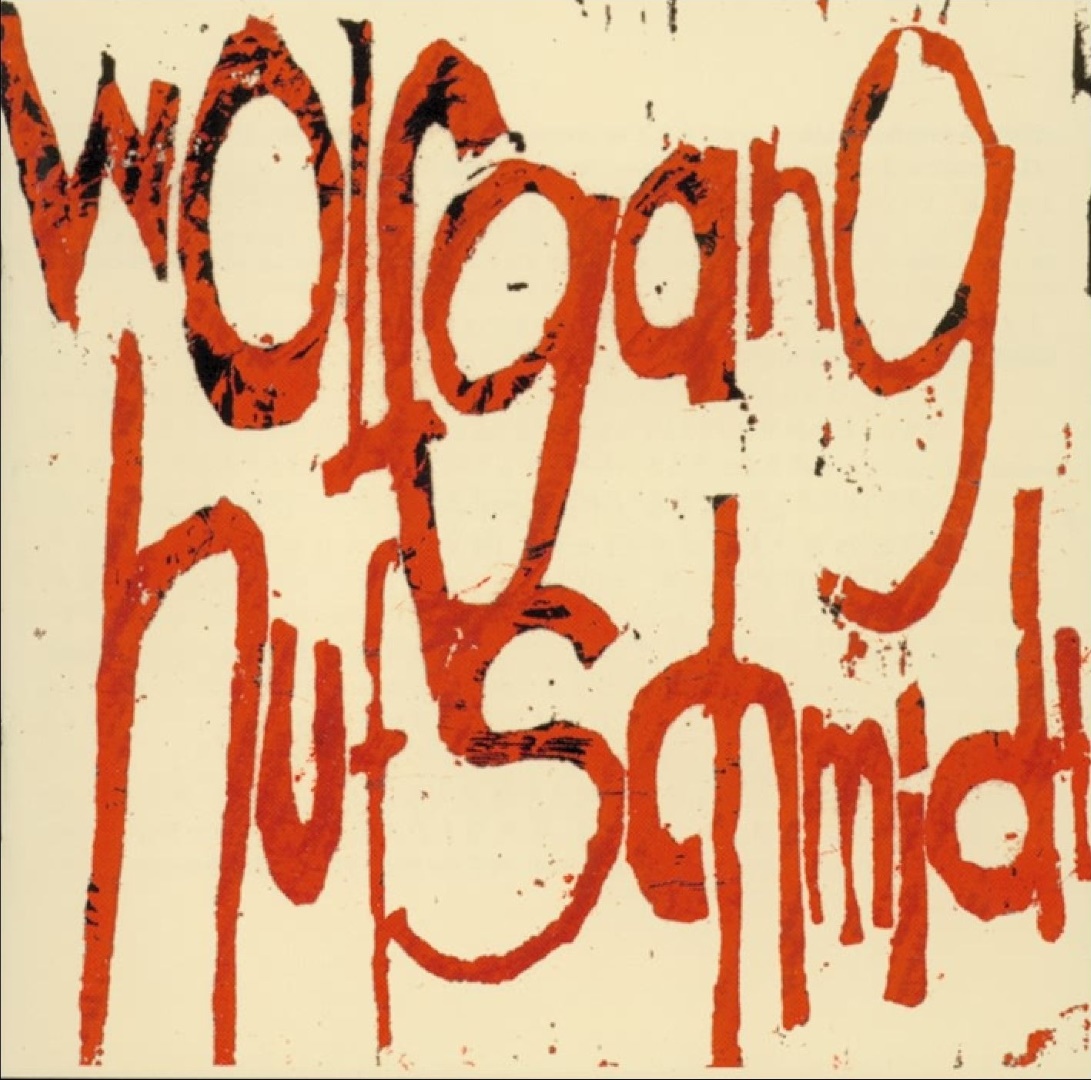
Wolfgang Hufschmidt was born on 15 March 1934 in Mülheim an der Ruhr and studied church music and composition with Siegfried Reda at the Folkwang-Hochschule in Essen from 1954 to 1958. After ten years as a church musician in Essen parishes, he became a lecturer in music theory at the Folkwang-Hochschule in 1968; it appointed him Professor of Composition in 1971, and he was its rector from 1988 to 1996. In 1983/84, together with students and friends, he founded edition V as a composers’ publishing house.
Trio II (1982) is the centrepiece of the group of works “Trio-Logie”, whose theme is the dialectical thinking of thesis, antithesis and synthesis. Its Seven Inventions on Colours and Pictures transfer theories of colour and light from the visual arts to musical tone colour, from Goethe’s “Farbenlehre” by way of Paul Klee, Eckart Heimendahl, Philipp Otto Runge and Josef Albers to Claude Monet’s “Impression, Sunrise” and Wolfgang Pilz’s slide composition “Eine Minute Dunkel”; together they form a triptych with two wings and a three-part central panel. Pablo Neruda’s poem “Contemplation of the Sierra Maestra” holds the inventions together: the tape plays a sung line from it about the Spanish Civil War, and the motto “das Licht, vom Dunkel geordnet” (light, ordered by darkness) also comes from Neruda.
The Songs without Words. 24 Piano Pieces for Tape (1985/86) have their roots in the peace movement. In memory of the demonstration in Bonn on 10 October 1981, at the end of which “We shall overcome” was sung, Hufschmidt wrote “We shall overcome — texte über den frieden (2) von Bertolt Brecht” in 1983/84; at the same time his friend Wolfgang Pilz created the slide composition “Stumme Lieder gegen den Krieg”, 18 picture songs combining motifs from Otto Dix’s triptych “Der Krieg” with montages of the same Brecht poems. The piano pieces translate the lyrical language structures of these poems into music and, when performed with the images, serve as their interludes: “The soundless songs of the pictures are thus succeeded by the wordless songs of the music,” writes Stefan Fricke in the booklet.
Engel der Geschichte (II) Flötentöne No. XVI (1994) for flute, clarinet, cello, guitar, percussion and piano/celesta bears the motto “nicht vergessen” (do not forget). The title refers to Paul Klee’s picture “Angelus Novus” (1920), which accompanied Walter Benjamin until his suicide in 1940 and was for him the emblem of his philosophy of history: the angel who sees a single catastrophe in the past and yet is driven into the future. In No. XVI Hufschmidt paraphrases short excerpts from his own earlier works such as the “Ricercar” (1966), the “Meissner Tedeum” (1967/68) and “texte über den frieden 1” (1969), not nostalgically but as a self-critical test of their present-day validity.
Trio II and No. XVI from Engel der Geschichte (II) were recorded in October 1995 in the Spiegelsaal of the Museum Morsbroich in Leverkusen, the Songs without Words as early as the summer of 1989 at the Folkwang-Hochschule Essen. The performers are Susanne Achilles (piano), Markus Hufschmidt, Jens Vetter, Michael Hamann, Rachel Gruber, Harald Lillmeyer, Martin Schulz, Thomas Neuhaus and the composer himself. The production was supported by the Leonard-Stinnes-Stiftung and the Sparkasse Essen.